

Explore specialized transplant care in Egypt, including kidney, liver, and bone marrow transplantation, with individualized medical assessment, treatment planning, and coordinated support for international patients
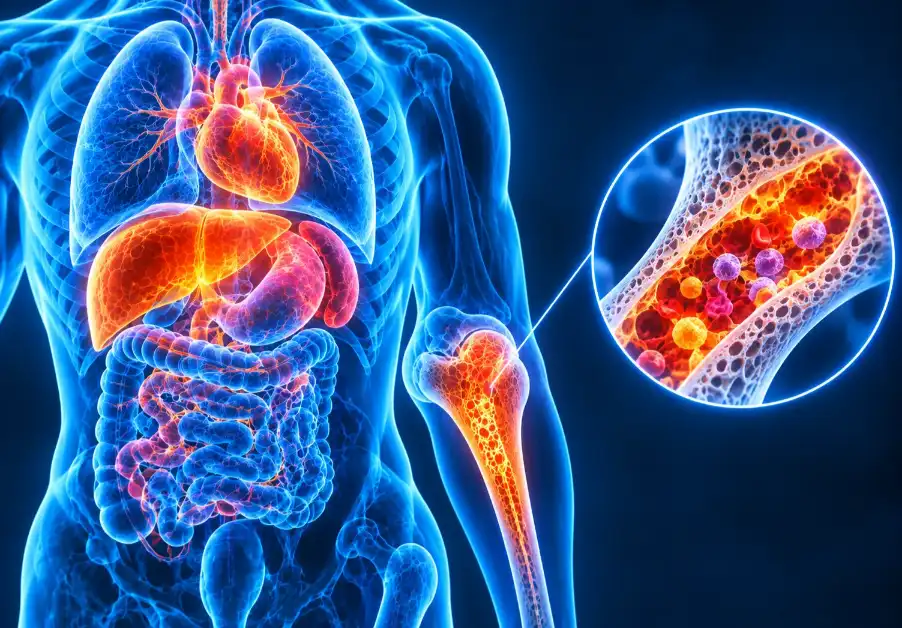
Transplantation is a highly specialized form of medical care that can offer a treatment option for patients with advanced organ failure or certain serious blood and immune-system disorders. The appropriate type of transplant depends on the patient’s diagnosis, overall health, organ function, and individual medical circumstances.
For international patients, the process involves more than the transplant procedure itself. Careful medical evaluation, review of previous treatment and investigations, donor assessment when required, and detailed treatment planning are essential before traveling.
Specialized transplantation care for selected patients with advanced liver disease, including medical evaluation, donor assessment, surgical planning, and ongoing follow-up.
Specialized transplantation care for selected patients with advanced kidney disease, including recipient evaluation, donor assessment, compatibility testing, and treatment planning.
Specialized stem cell transplantation for selected patients with blood, immune, or bone marrow disorders, supported by careful evaluation and treatment planning.
Specialized care for patients requiring organ transplantation, with comprehensive medical assessment, treatment planning, surgical coordination, and follow-up throughout the treatment journey.
When hip pain starts controlling your life, it’s time to look at the bigger picture.
Hip arthritis can make walking painful, stairs difficult and sleep uncomfortable.
For patients with significant hip damage, total hip replacement can replace the damaged joint with artificial components designed to reduce pain and restore mobility.
But before traveling to Egypt, you probably have important questions:
Do I really need hip replacement?
How much does it cost?
Which implant is right for me?
When can I walk again?
How long will I stay in Egypt?
Can I return home safely after surgery?
Hip Replacement in Egypt — Quick Facts
Important: This is an indicative range, not a fixed quotation. Implant choice, hospital, complexity, revision surgery and additional medical requirements can change the final cost.
Not every patient with a blood disorder needs a transplant.
It may be recommended for selected patients with conditions such as certain leukemias, lymphomas, multiple myeloma, myelodysplastic syndromes, aplastic anemia, and some inherited blood or immune disorders.
The decision depends on the exact diagnosis, disease status, previous treatment, overall health, and availability of an appropriate treatment strategy.
No.
Chemotherapy may be used before transplantation to destroy diseased cells and prepare the body to receive the new stem cells.
The transplant itself involves infusing stem cells through a vein, similar to a blood transfusion. The transplanted cells then travel to the bone marrow and begin producing new blood cells.
No.
A donor may be a brother or sister, another relative, or an unrelated donor who is medically and immunologically compatible.
In some situations, other donor options may also be considered when a fully matched donor is unavailable.
A fully matched donor is not always available.
Depending on the patient's disease and transplant center, doctors may consider alternative donor strategies, including haploidentical transplantation, in which a partially matched family donor may be used.
The appropriate option depends on the patient's medical circumstances and the transplant center's expertise.
The stem cells are usually infused through an intravenous line, rather than being surgically implanted into the bones.
However, the treatment surrounding transplantation can be physically demanding. The conditioning therapy given before the transplant may cause side effects such as fatigue, nausea, mouth sores, hair loss and a temporary severe reduction in blood-cell counts.
Bone marrow transplantation is a complex treatment and can have serious complications.
Depending on the type of transplant, possible complications include infection, bleeding, organ complications, graft-versus-host disease (GVHD), infertility, and disease relapse.
The risk is different for every patient and depends on factors such as age, diagnosis, disease status, donor compatibility and overall health.
Graft-versus-host disease (GVHD) is a complication that can occur after an allogeneic transplant.
In GVHD, immune cells from the donor attack tissues in the recipient's body.
It can affect different organs, particularly the skin, liver and gastrointestinal tract, and may be acute or chronic.
The transplant team uses medications and careful monitoring to reduce and manage this risk.
Recovery is not the same for everyone.
The new stem cells need time to establish themselves and produce healthy blood cells. Patients may need close monitoring and protection from infection during this period.
Even after leaving the hospital, recovery of the immune system can take considerably longer, particularly after an allogeneic transplant.
Many patients require a period of hospitalization, particularly around the transplant itself, although the exact duration depends on the transplant type, treatment protocol, complications and the patient's recovery.
Some transplant programs may manage selected patients partly as outpatients when medically appropriate.
Yes.
Stem cell transplantation is an established treatment option for selected children with serious blood, immune-system and inherited disorders.
Children require specialized assessment because their age, growth, development and long-term health need to be considered when planning treatment.
Potentially, yes, depending on the diagnosis, transplant indication, medical eligibility and applicable requirements.
For international patients, a pre-travel medical review can be extremely valuable.
The transplant team may need:
The transplant team can then determine which additional investigations are required before treatment.
Potentially, yes, depending on the diagnosis, transplant indication, medical eligibility and applicable requirements.
For international patients, a pre-travel medical review can be extremely valuable.
The transplant team may need:
The transplant team can then determine which additional investigations are required before treatment.
A transplant is not simply a procedure that is scheduled.
Before transplantation, the medical team performs a detailed evaluation to determine:
Is transplantation appropriate?
Which type of transplant is best?
What conditioning treatment is required?
Is there a suitable donor?
What are the expected risks?
And how should the patient be monitored afterward?
This careful preparation is one of the most important parts of the entire transplant journey.
Considering Bone Marrow Transplantation in Egypt?
Don't make your travel plans before your medical file has been reviewed.
Send your available medical reports, pathology and bone marrow results, previous treatment records and recent investigations for an initial assessment.
This allows the transplant team to understand the case and determine the appropriate next steps before international travel and treatment arrangements are made.
The right transplant starts with the right evaluation.
A kidney transplant can offer a new chapter for people with kidney failure—but deciding whether transplantation is right for you requires more than knowing that your kidneys are no longer working well.
The important questions are: Am I a suitable candidate? Where can the kidney come from? What are the risks? How long is recovery? And can I receive treatment in Egypt?
Here are the answers patients usually want to know first.
Kidney Transplant in Simple Terms
A kidney transplant is a surgical procedure in which a healthy kidney from a living or deceased donor is placed into the recipient’s body to perform the functions of a working kidney.
For many patients with kidney failure, transplantation can provide greater freedom than dialysis and may improve quality of life. However, a transplant is a treatment, not a permanent cure. The recipient needs lifelong follow-up and anti-rejection medication to help protect the transplanted kidney.
Living Donor or Deceased Donor?
There are two main sources:
Living donor: A healthy person may donate one kidney after a detailed medical evaluation. The donor can be a relative, spouse, friend, or another eligible person, depending on applicable medical and legal requirements.
Deceased donor: The kidney comes from someone who has died and whose organs are medically suitable for donation.
A living-donor transplant may offer an important advantage: the operation can usually be planned rather than waiting for a deceased donor kidney to become available.
No. Kidney transplantation is one treatment option for kidney failure, but not everyone is medically suitable for transplantation. The transplant team evaluates your overall health, kidney disease, heart and other organs, previous medical history, and your ability to follow the required treatment after surgery.
Potentially, yes. A family member may be considered as a living donor, but being related does not automatically mean that donation is possible.
Both the donor and recipient must undergo detailed medical and compatibility testing before transplantation is considered.
Being incompatible does not necessarily mean that all options are closed.
In some transplant systems, kidney paired donation may allow an incompatible donor-recipient pair to be matched with another pair so that each recipient receives a compatible kidney. Availability depends on the transplant program and applicable regulations.
For many suitable patients, a successful transplant can provide advantages such as greater freedom from dialysis and fewer dietary and fluid restrictions. It may also improve quality of life.
However, transplantation involves major surgery, lifelong medication, regular monitoring, and the possibility of complications or rejection. The best option must be determined individually with the transplant team.
Yes. The immune system can recognize the transplanted kidney as foreign and attack it.
Anti-rejection medicines, also called immunosuppressants, are therefore an essential part of treatment. Regular blood tests and follow-up appointments help the medical team detect problems early.
The transplant operation itself commonly takes around 3–4 hours, although the total hospital experience and recovery vary from patient to patient.
Not always. Some transplanted kidneys begin working immediately, while others may take days or even longer to function properly. In some cases, temporary dialysis may be necessary until the transplanted kidney begins working.
Many patients stay in the hospital for several days after transplantation, but the exact duration depends on recovery and whether complications occur. Your transplant team will determine when you are ready to go home.
Yes. Anti-rejection medicines are required to reduce the risk of the immune system attacking the transplanted kidney.
These medicines can have side effects and may increase susceptibility to infections, so regular medical follow-up is essential.
Potentially, yes—but eligibility must be assessed by an appropriate transplant team first.
For an international patient, the safest approach is to review the medical history, dialysis details, blood and compatibility information, imaging and relevant reports before making travel or treatment arrangements.
The transplant team can then determine what additional investigations are required and whether transplantation is medically appropriate.
Having your medical information organized can make the initial assessment much more useful.
Depending on your case, this may include:
Do not travel for transplantation based on a general online recommendation alone. Your complete medical situation needs to be assessed first.
What Happens Next?
If you or a family member has kidney failure and transplantation is being considered, the first step is not booking surgery—it is a proper transplant evaluation.
A specialist transplant team needs to determine:
Is transplantation appropriate?
Is there a suitable living donor?
What additional tests are required?
What are the expected risks and benefits?
And what treatment plan is safest for the patient?
Considering Kidney Transplantation in Egypt?
Send your medical reports and available investigations for an initial review.
A clear medical assessment before traveling can help you understand your possible treatment pathway, the investigations you may need, and the next steps before making travel arrangements.
Your transplant journey should begin with the right medical evaluation—not with a rushed decision.
When the liver can no longer perform its vital functions, a liver transplant may become a life-saving treatment option. But how do you know if you actually need a transplant—and what happens after the decision is made?
For patients and families, the most important questions are usually simple:
Who needs a liver transplant? Is it a major operation? Where does the liver come from? What are the risks? How long is recovery? And can international patients receive liver transplantation in Egypt?
Here are the answers you need to know.
What Is a Liver Transplant?
A liver transplant is surgery in which a diseased or severely damaged liver is replaced with a healthy liver or part of a healthy liver from a suitable donor.
It may be considered for patients with advanced or end-stage liver disease, certain liver cancers, and other serious conditions when the liver can no longer function adequately and transplantation offers an appropriate treatment option.
Unlike kidney transplantation, a liver can come from a deceased donor or, in selected cases, a living donor who donates part of the liver. The liver has the unique ability to regenerate, allowing the remaining portion in a suitable donor and the transplanted portion in the recipient to grow toward functional size.
A transplant may be considered when a patient has severe liver disease that cannot be adequately controlled with other treatments.
Common situations include advanced cirrhosis, acute liver failure, and selected cases of liver cancer or other serious liver disorders.
But having liver disease does not automatically mean that a transplant is necessary. A specialized transplant team must assess the patient's condition and determine whether transplantation is appropriate.
Yes. Living-donor liver transplantation is possible because the liver has a remarkable capacity to regenerate.
However, living donation is a major surgical procedure. The donor must undergo extensive medical and psychological evaluation to determine whether donation can be performed safely and legally.
Potentially, yes. A relative may be considered as a living donor, but family relationship alone does not guarantee eligibility.
The donor's overall health, liver anatomy, blood group and other medical factors must be carefully evaluated.
Liver transplantation is major surgery and carries significant risks.
Possible complications can include bleeding, infection, blood clots, bile-duct problems, complications affecting other organs, and rejection of the transplanted liver.
The actual risk varies considerably depending on the patient's condition, age, underlying disease, overall health, and complexity of the transplant.
Yes. The immune system may recognize the transplanted liver as foreign and attack it.
Patients therefore receive immunosuppressive medications to reduce the risk of rejection. These medications require regular monitoring because they can also increase the risk of infections and other complications.
Recovery is different for every patient.
The hospital stay may last several weeks depending on the patient's condition and recovery. After leaving the hospital, patients continue regular medical follow-up, blood tests and medication adjustments.
Returning to normal activities is a gradual process, and the transplant team determines when specific activities are safe.
A successful transplant replaces the severely diseased liver, but it does not necessarily eliminate every underlying disease or risk.
For example, some liver diseases can recur after transplantation, while others may not. The expected outcome depends heavily on the original cause of liver disease.
In selected patients, yes.
Liver transplantation can be an effective treatment for certain patients with liver cancer, but eligibility depends on factors such as the type, size, number and extent of tumors, as well as the patient's overall health.
A specialist transplant and oncology team must determine whether transplantation is appropriate.
Potentially, yes, depending on medical eligibility and the applicable Egyptian medical and legal requirements.
International patients should have their medical records reviewed before traveling whenever possible.
The transplant team may need information such as:
The team can then determine which additional tests and evaluations are required.
If you or someone you love has advanced liver disease, don't wait until the situation becomes an emergency to ask whether transplantation should be considered.
The right first step is a specialized liver transplant evaluation.
The transplant team needs to answer several critical questions:
Is transplantation necessary?
Is the patient medically suitable?
Could a living donor be considered?
What additional investigations are needed?
What are the expected risks and benefits?
And what is the safest treatment pathway?
Considering Liver Transplantation in Egypt?
Start with your medical file—not your travel arrangements.
Send the available medical reports, laboratory results and imaging for preliminary review. This can help the medical team understand your condition and determine the appropriate next steps before you make arrangements to travel.
For a major decision such as liver transplantation, the goal is not simply to find a hospital—it is to find the right treatment plan for the right patient.
When an organ is no longer able to perform its essential function, transplantation may offer a life-changing treatment option.
But the most important question is not simply “Can I have a transplant?”
It is:
“Am I a suitable candidate, and what is the safest treatment pathway for me?”
Organ transplantation may involve several organs, including the kidney, liver, heart, lungs and pancreas, depending on the medical indication and availability of an appropriate transplant program. The Egyptian Health Council also recognizes intestinal and other specialized transplants within the broader field of transplantation.
A transplant may be considered when an organ has severe or irreversible failure and other treatment options can no longer provide adequate function or quality of life.
The decision is made after a comprehensive medical evaluation—not from symptoms alone.
Kidney transplantation is the most common type of organ transplant. Kidney transplantation can involve a living donor or, where applicable, a deceased donor.
In some circumstances, yes. Living donation is subject to strict medical, ethical and legal requirements.
The donor must undergo detailed medical and psychological assessment to determine whether donation can be performed safely.
Not necessarily in every situation, but non-related donation is subject to specific regulatory and ethical controls and approval procedures in Egypt.
The transplant team evaluates several factors, which may include:
Blood group → tissue compatibility → antibody testing → medical condition → donor evaluation
The exact testing depends on the type of transplant.
Like any major surgery, transplantation carries potential risks.
These may include infection, bleeding, blood clots, surgical complications and rejection, in addition to complications related to immunosuppressive medications.
The risks are different for each organ and must be discussed individually.
The immune system may recognize the transplanted organ as foreign and attack it.
Patients therefore usually require long-term anti-rejection medication and regular medical monitoring. For kidney transplantation, for example, follow-up may include repeated blood tests and medication adjustments.
There is no single recovery period for all transplants.
Recovery depends on the transplanted organ, the patient's health, surgical complexity, complications and response to treatment.
For example, many kidney-transplant recipients can gradually return to normal activities after recovery, but follow-up remains essential.
Potentially, yes—but transplantation requires much more than simply booking surgery.
The patient's diagnosis, transplant indication, donor situation, compatibility, medical records and applicable Egyptian regulatory requirements must be assessed before travel.
Egypt has an organized regulatory framework for transplantation, including oversight of transplant centers and specialized committees.
Start with:
Medical reports + recent laboratory results + imaging + previous treatment records + current medications + donor information, if applicable.
The transplant team can then determine what additional investigations are required.
You can usually receive an initial cost estimate after the medical case is reviewed, but there should not be one universal price for organ transplantation.
Cost depends on:
Type of transplant → patient condition → donor evaluation → hospital → investigations → surgery → ICU/hospital stay → medications → follow-up
A personalized quotation is therefore more reliable than an advertised fixed price.
Organ transplantation is not simply an operation.
It is a complete medical pathway:
Patient evaluation → donor evaluation → compatibility testing → regulatory approval → transplant surgery → ICU/hospital care → anti-rejection treatment → long-term follow-up
Egypt's current regulatory framework includes requirements for licensed transplant centers and appropriately qualified medical teams.
Are You Looking for Organ Transplantation in Egypt?
Before booking your flight or making a surgical decision, have your medical file reviewed first.
Send your available:
Medical reports + imaging + laboratory results + previous treatment records
so the appropriate transplant team can assess your case and explain the possible next steps.
Your Journey Should Start With a Medical Assessment — Not a Travel Booking.
Request a Preliminary Medical Review
Medical Disclaimer: Organ transplantation is a complex medical procedure. Eligibility, risks, treatment options, costs and outcomes vary from patient to patient and must be determined by a qualified transplant team after a complete medical evaluation.

+2011 10078666
+2011 10078666
info@shencure.com