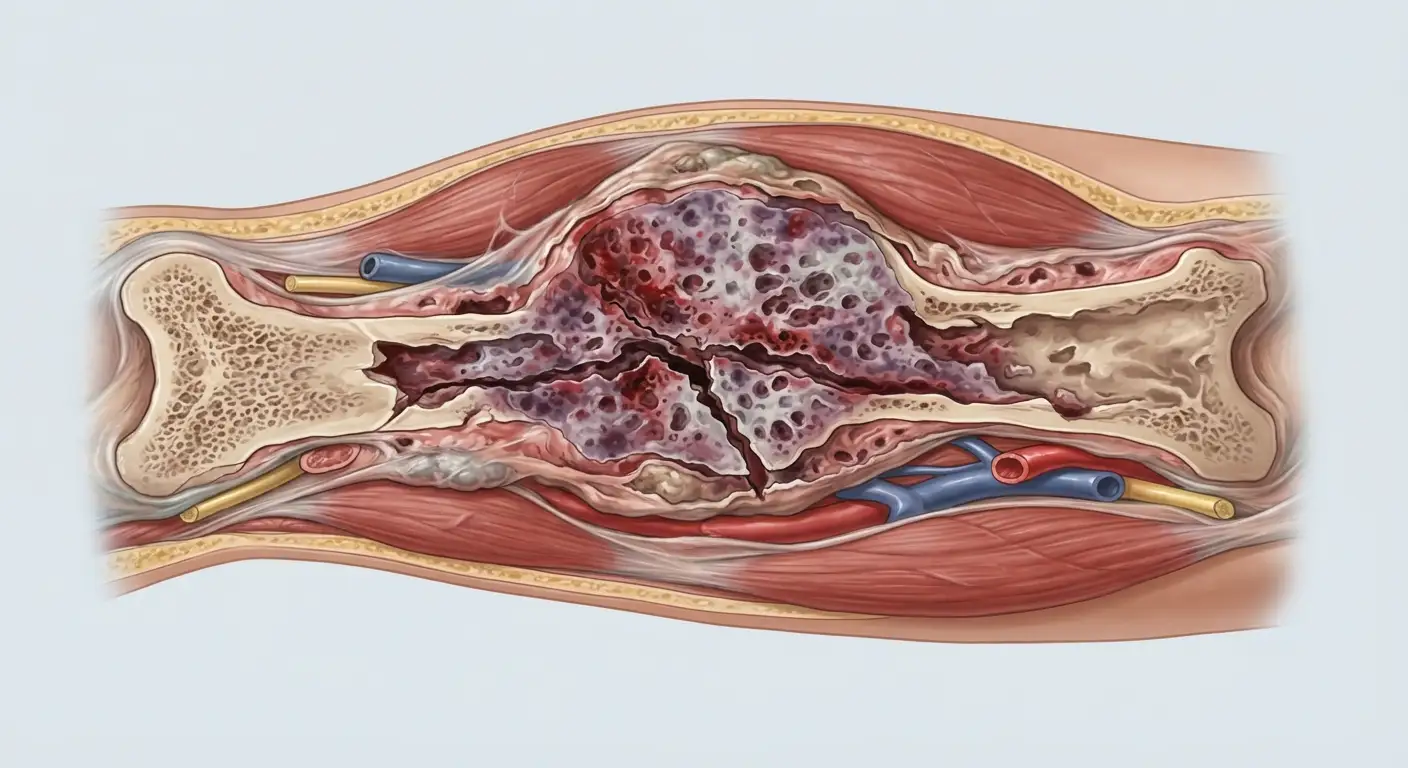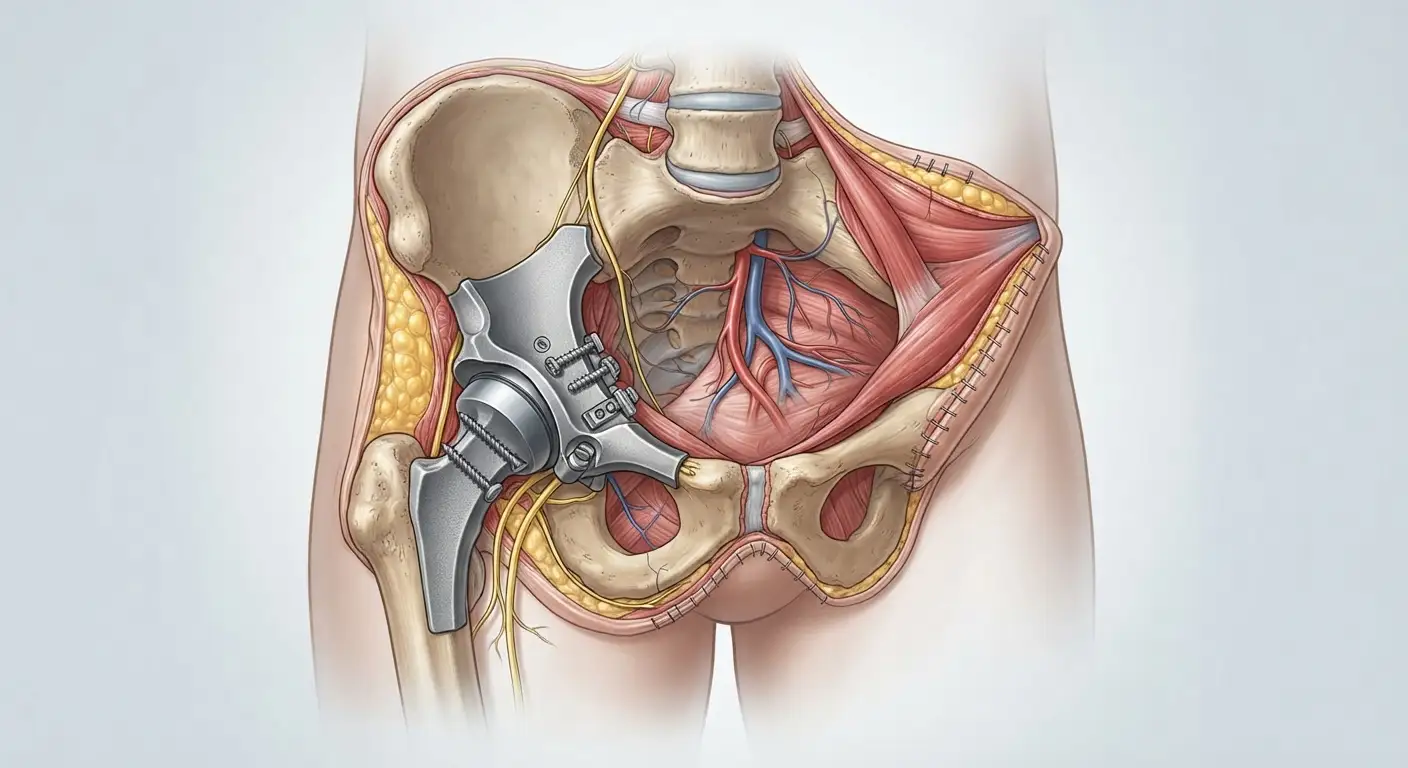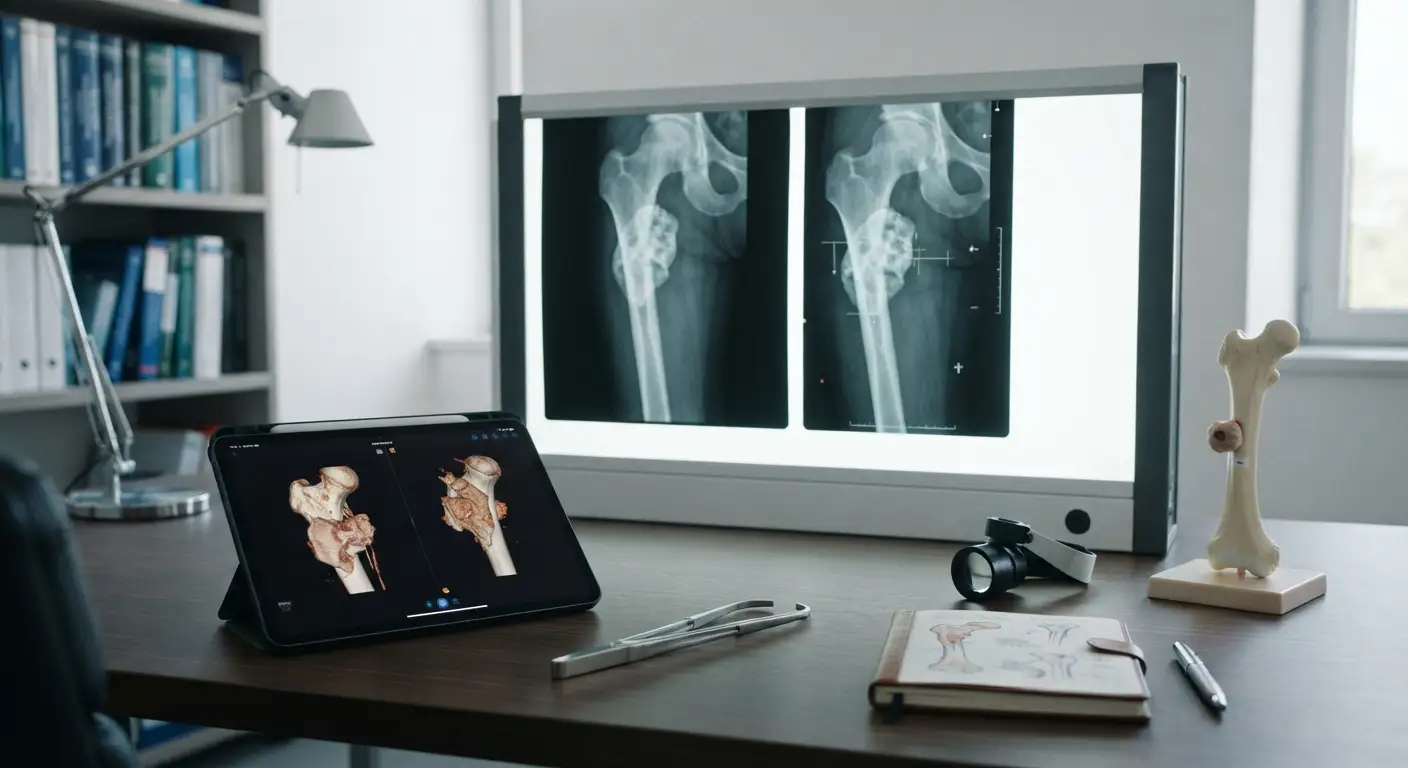

Discover specialized orthopedic oncology care in Egypt for bone and soft-tissue tumors, sarcoma, metastatic bone disease, and complex limb-sparing surgeries. Get expert specialist evaluation, precise biopsy planning, and multidisciplinary treatment.
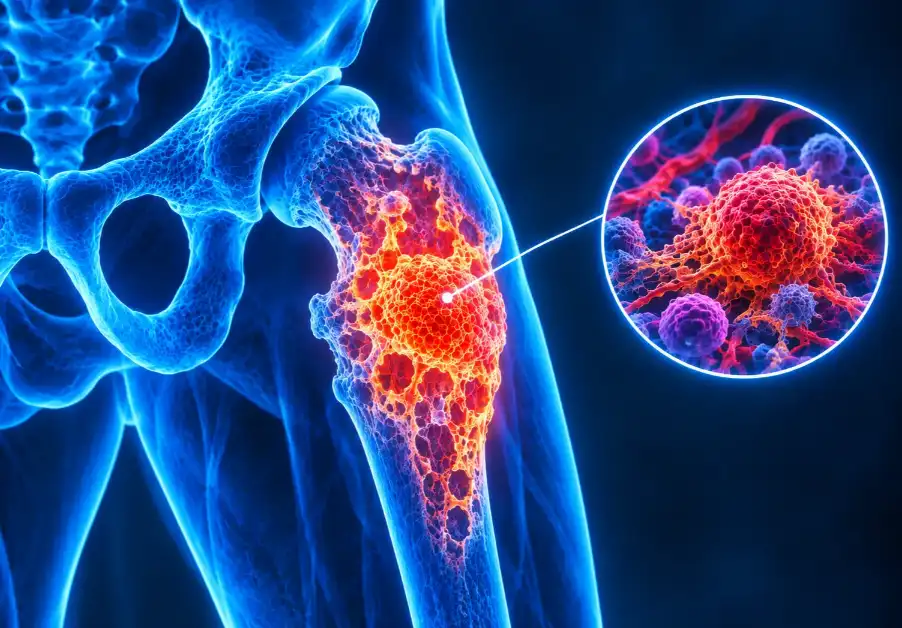
A lump. Persistent bone pain. Swelling that does not go away. A lesion found on an X-ray or MRI.
Most of the time, these findings do not mean cancer.
But sometimes they need a closer look.
And when a tumor may involve the bone or soft tissues around a joint or limb, the next step should not be guesswork.
It should be a carefully planned specialist evaluation.
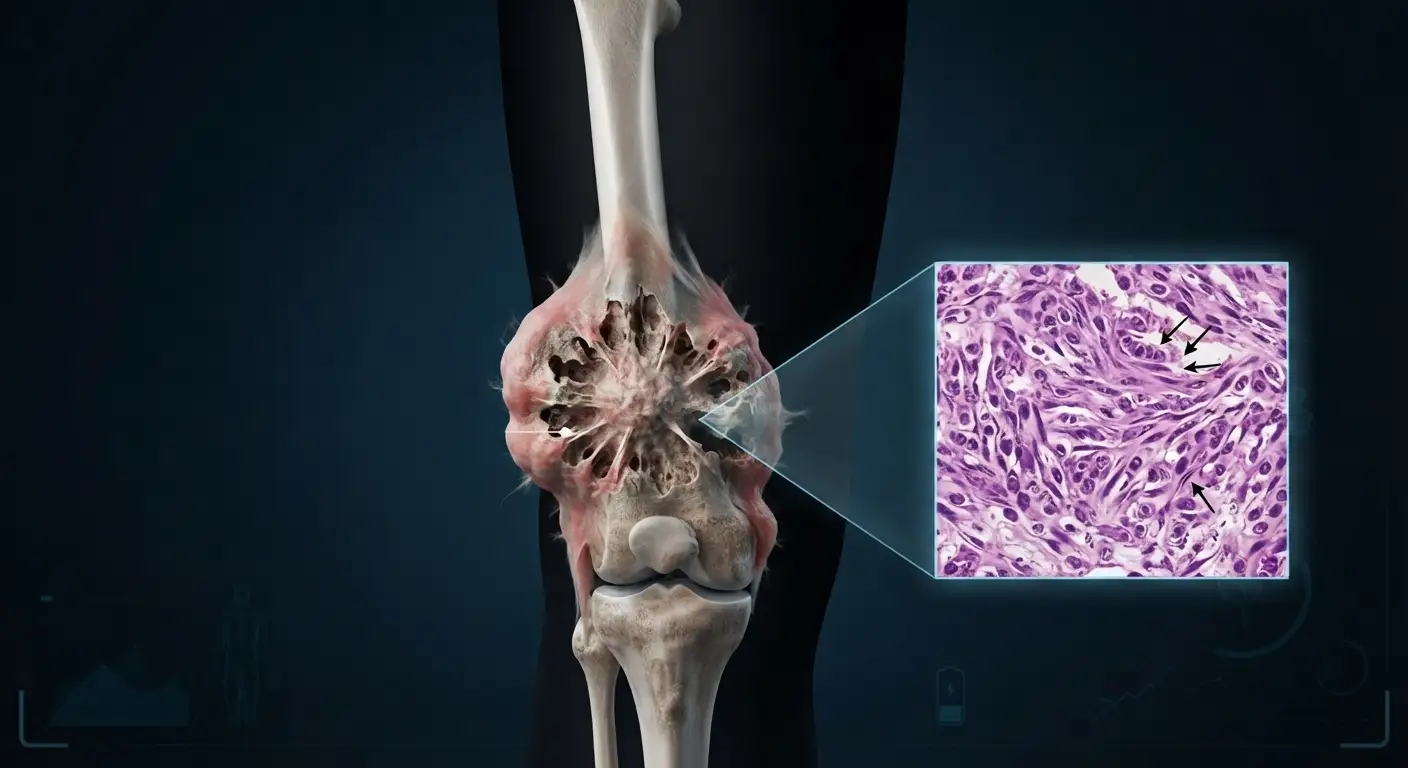
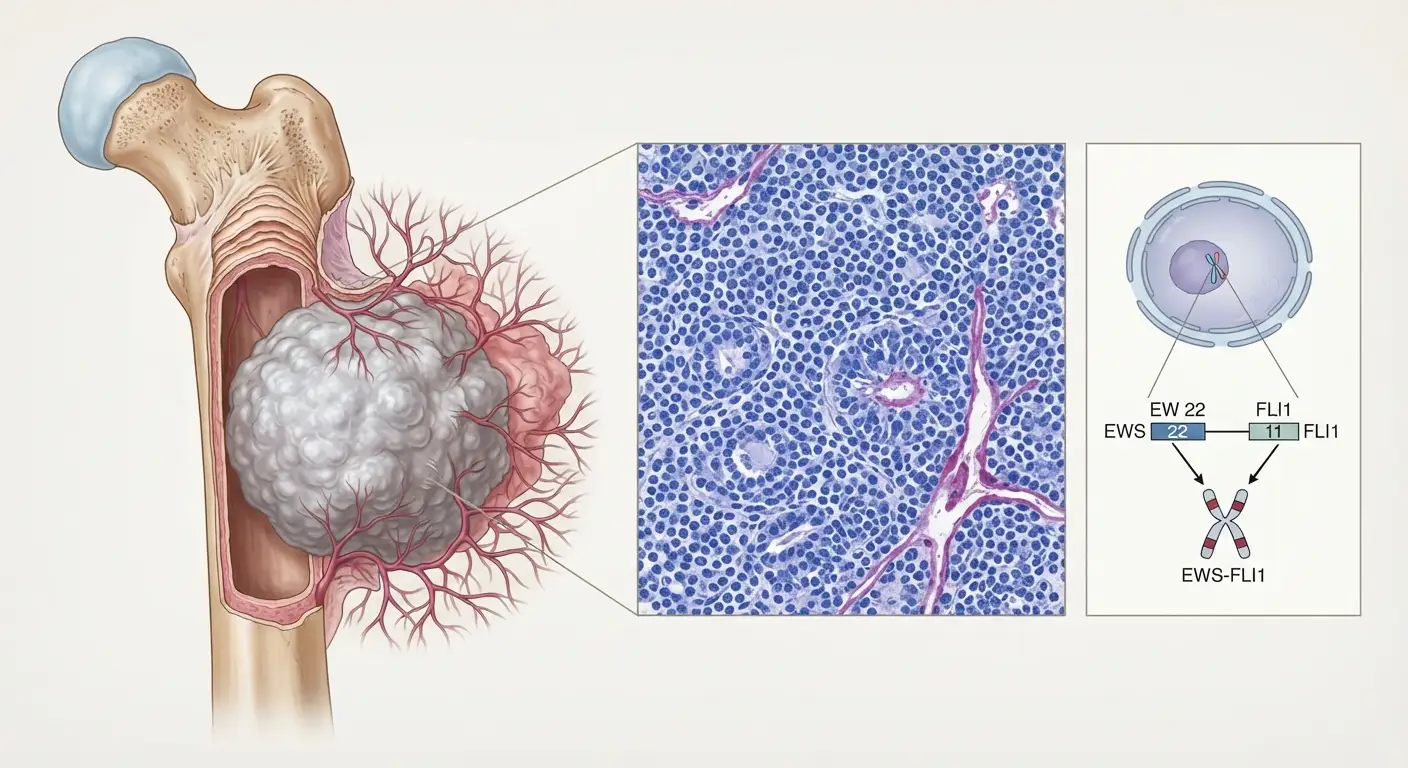
Orthopedic oncology is a highly specialized field dealing with bone tumors, soft-tissue tumors, metastatic bone disease and complex reconstruction after tumor removal. AAOS recognizes musculoskeletal oncology as a dedicated subspecialty covering bone and soft-tissue tumors, biopsy, staging, surgical management and metastatic disease.
What Can an Orthopedic Oncology Team Treat?
Specialized care may be required for:
Benign bone tumors
Malignant bone tumors
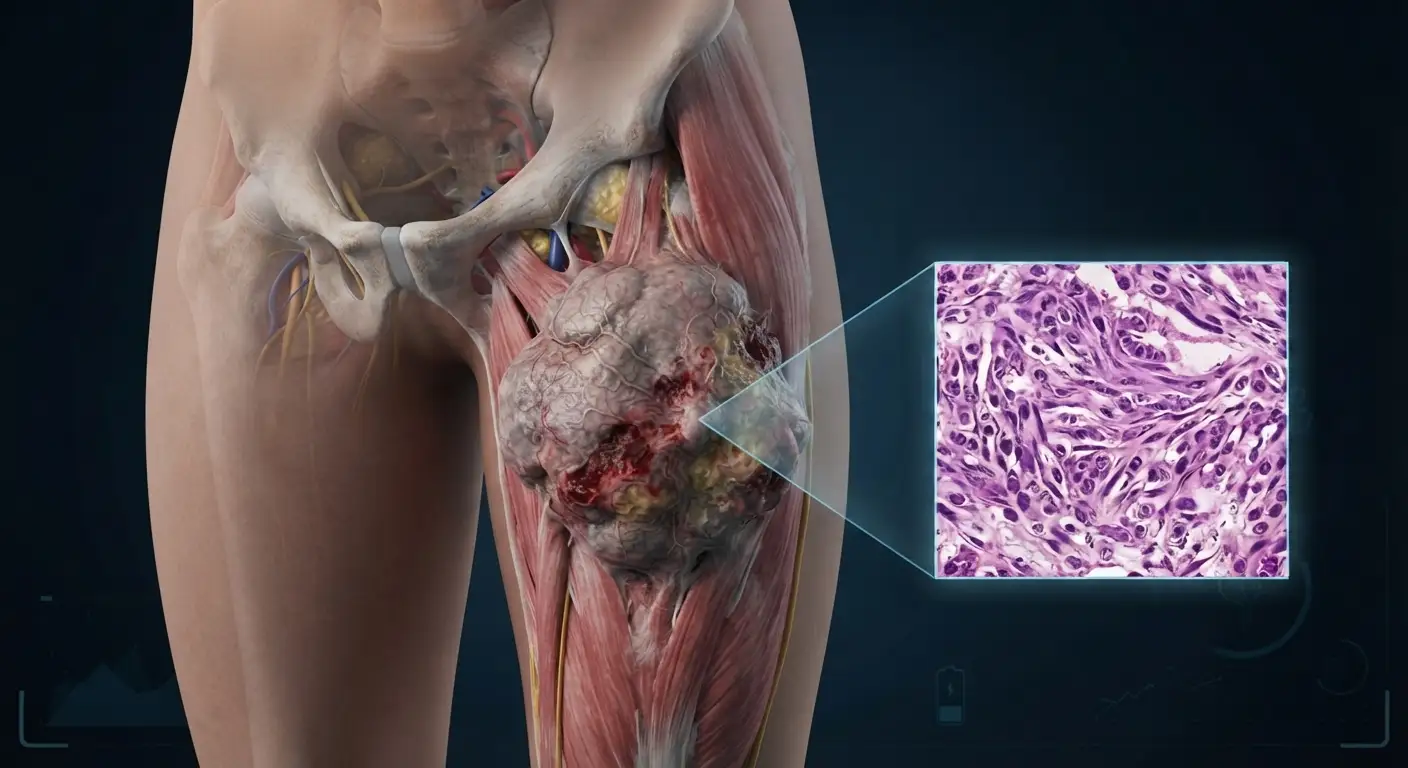
Soft-tissue tumors
Osteosarcoma
Ewing sarcoma
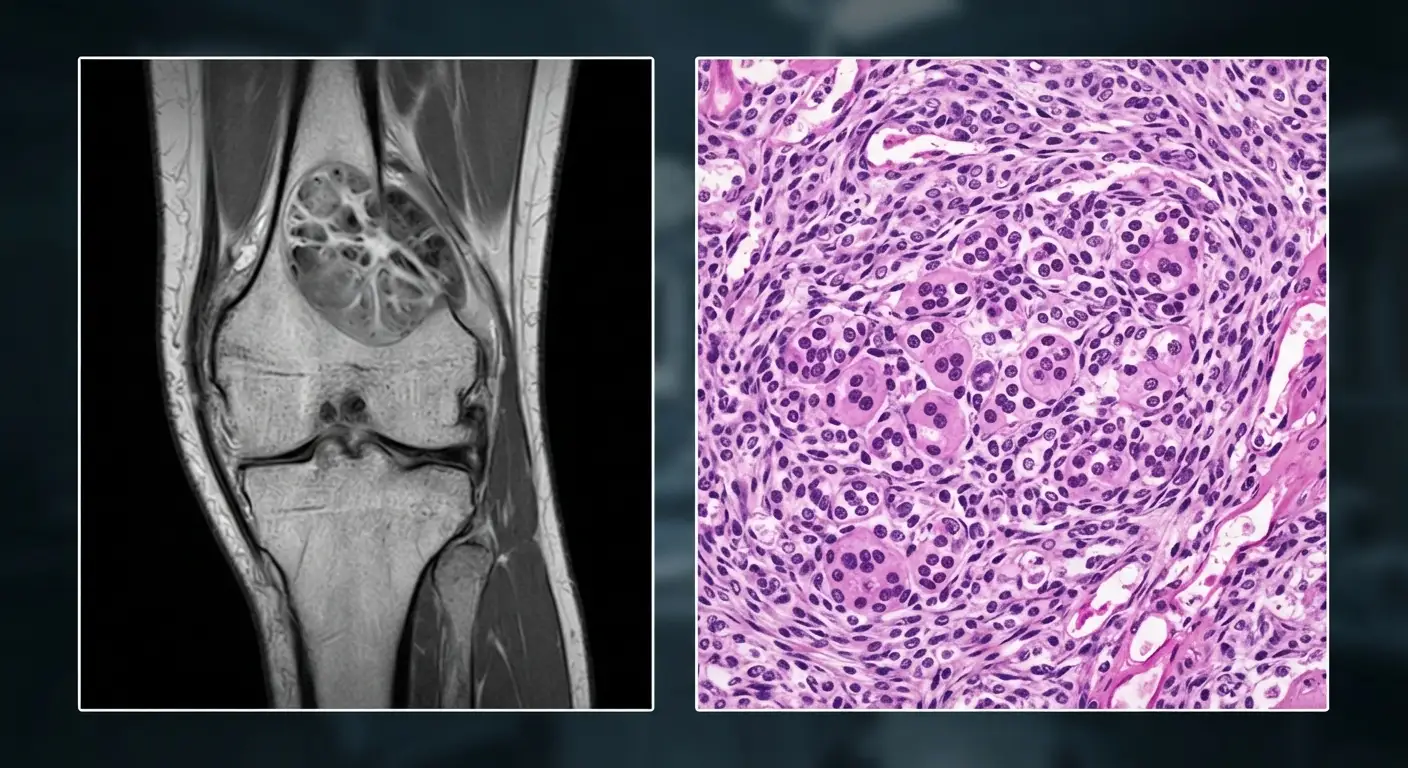
Giant cell tumor of bone
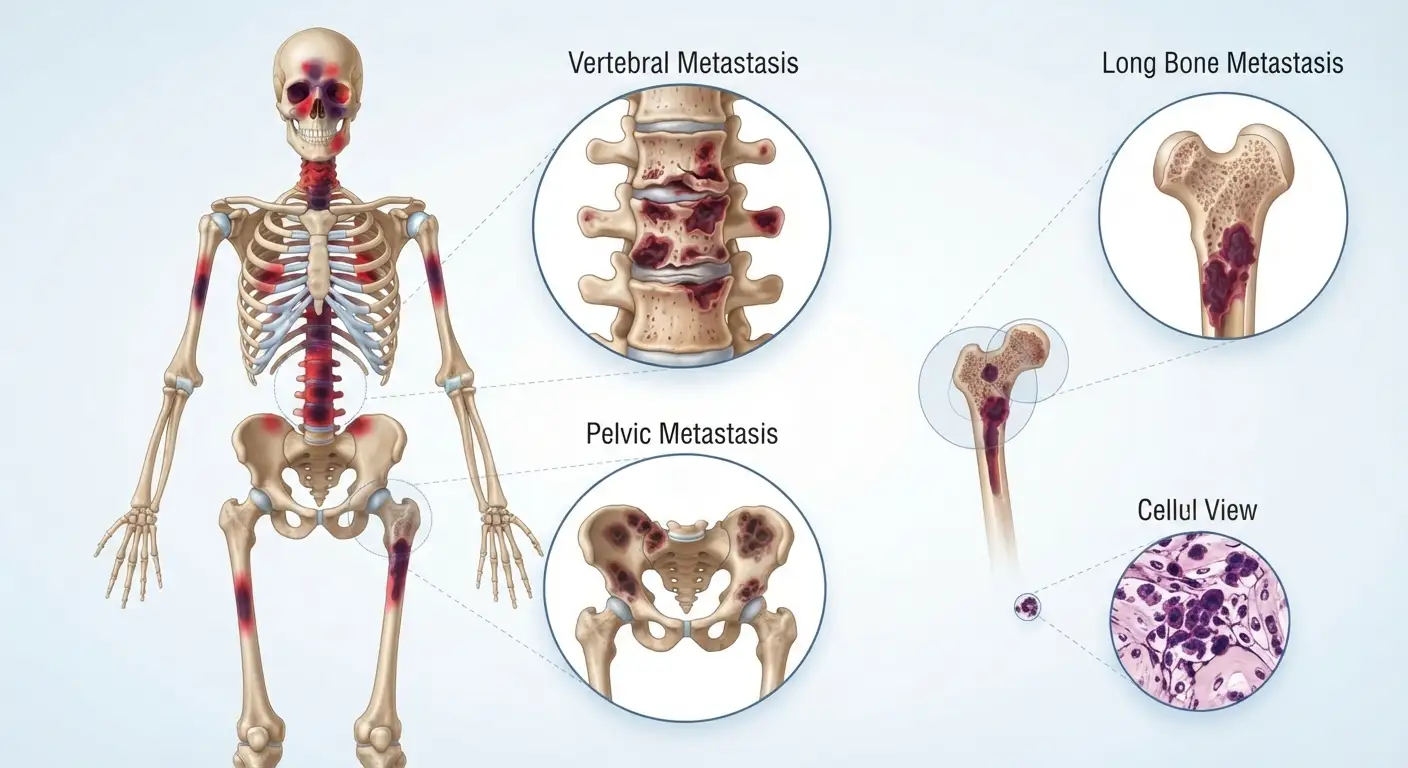
Metastatic tumors affecting bone
Tumor-related fractures
Complex tumors around the hip, knee, shoulder or other joints
The treatment depends on the exact diagnosis.
And diagnosis comes before surgery.
What Brought You Here?
Persistent Bone Pain?
Especially pain that continues without a clear injury or keeps getting worse.
Explore Bone Tumor Evaluation →
An Unexplained Lump or Swelling?
It may be benign—but persistent or enlarging masses deserve proper assessment.
A Tumor Found on MRI or CT?
The next step may be specialist imaging review and, when needed, carefully planned biopsy.
Explore Tumor Diagnosis & Biopsy →
A Known Bone Cancer?
Treatment may involve surgery, chemotherapy, radiation therapy or a combination.
Explore Bone Cancer Surgery →
Cancer Has Spread to the Bone?
The goal may be pain relief, fracture prevention, stabilization or preservation of function.
Explore Metastatic Bone Disease →
Does Every Bone or Soft-Tissue Tumor Need Surgery?
No.
Some lesions are benign and may simply require observation or non-operative treatment.
Others require biopsy, surgery, chemotherapy, radiation therapy, targeted treatment or a combination of approaches.
For primary bone cancers such as osteosarcoma, NCI describes treatment as a coordinated strategy that may include systemic therapy and surgery, with the exact plan depending on the tumor and patient.
The first goal is to identify what the tumor actually is.
Why Is the Biopsy So Important?
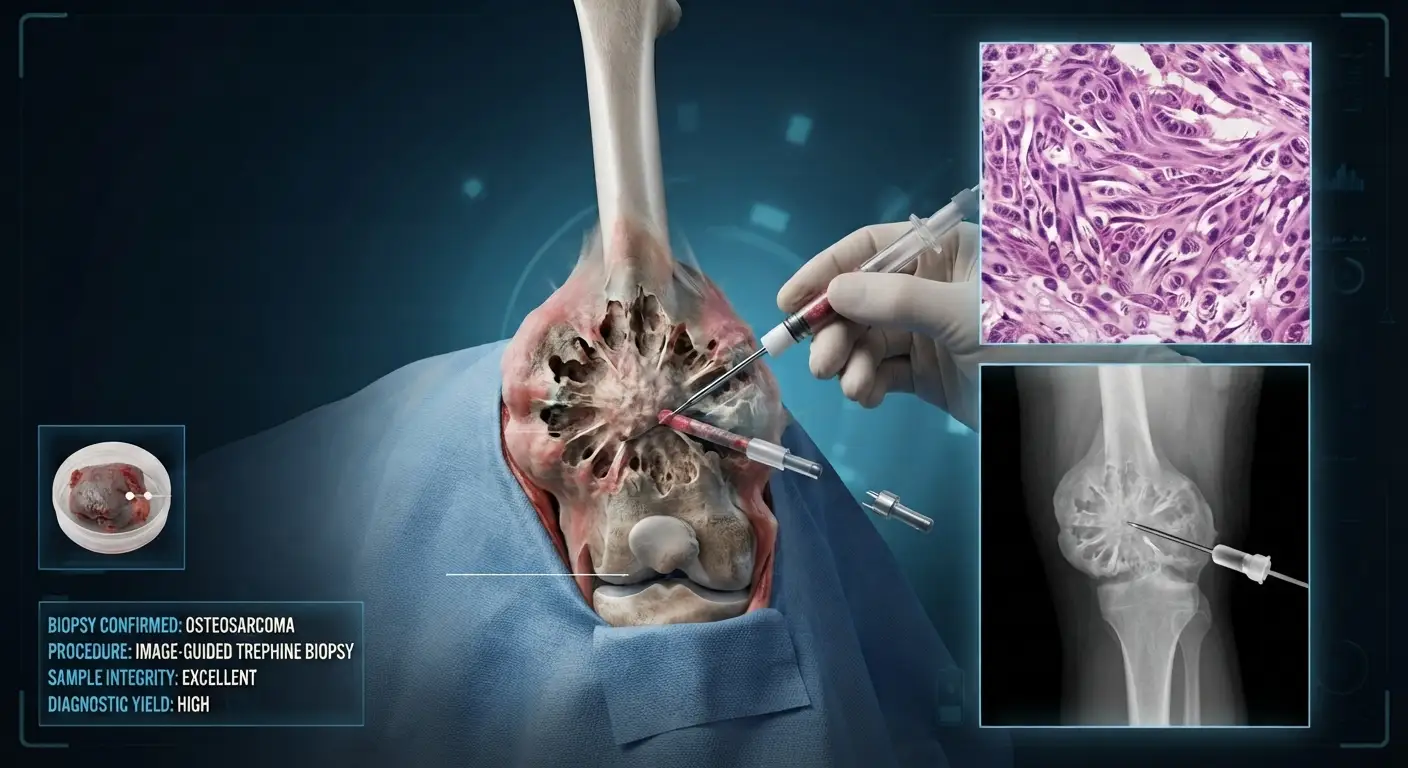
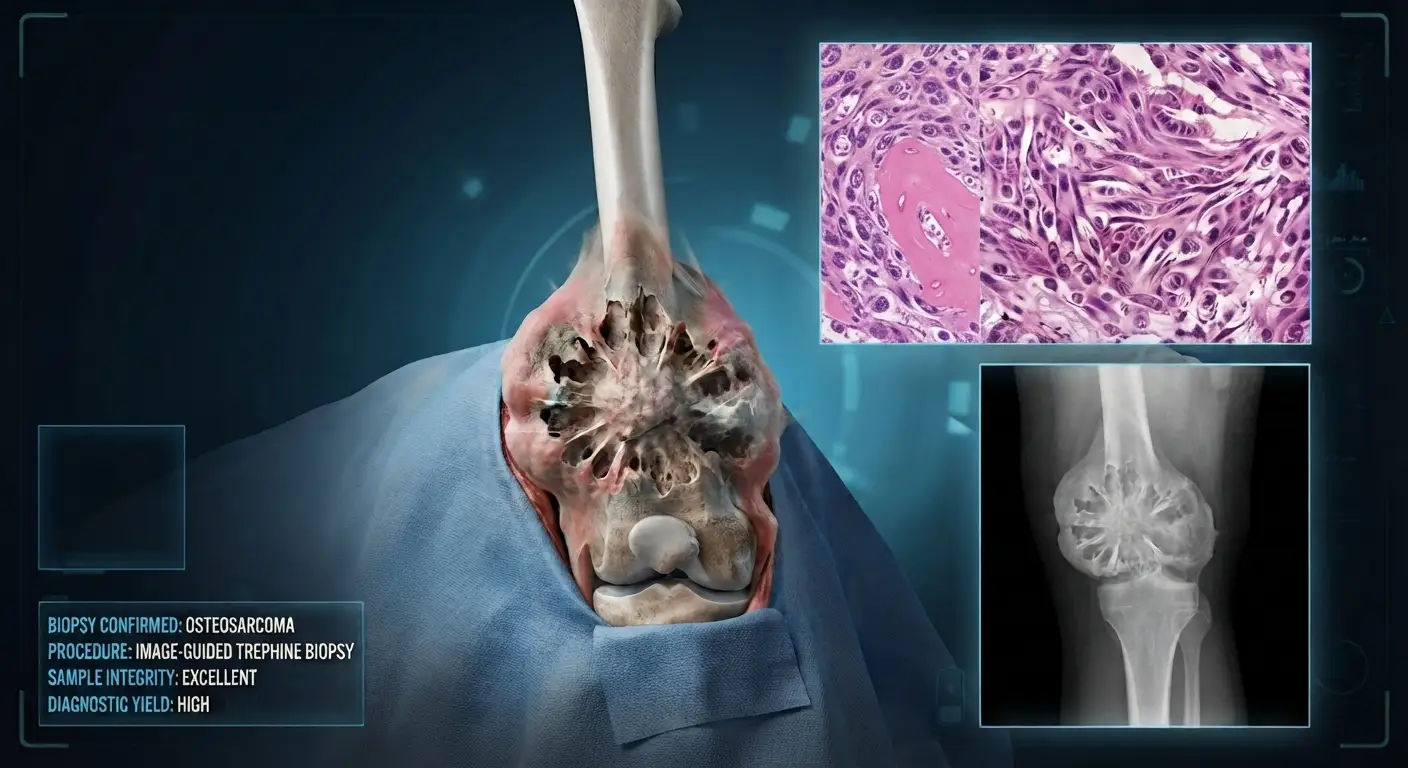
A biopsy tells the pathology team what the lesion is.
But there is an important detail that many patients do not know:
The biopsy itself needs to be planned.
NCI specifically recommends evaluation by a bone-tumor specialist before the initial biopsy in suspected osteosarcoma, because the biopsy route can affect later surgery and limb-sparing options.
That means:
Do not let an undiagnosed suspected bone tumor undergo an unplanned biopsy or excision simply because it “looks like a lump.”
No.
There are many benign bone tumors and tumor-like conditions.
The diagnosis requires proper clinical, imaging and pathology evaluation.
No.
Most soft-tissue masses are not sarcoma.
However, a persistent, enlarging or unexplained mass should be assessed rather than assumed to be harmless. AAOS highlighted persistent pain, swelling and unexplained lumps as symptoms that can sometimes signal sarcoma.
Imaging helps define:
Where the tumor is
How large it is
Which structures it involves
Whether there is bone involvement
How a biopsy should be planned
For suspected bone sarcoma, NCI recommends appropriate imaging before biopsy.
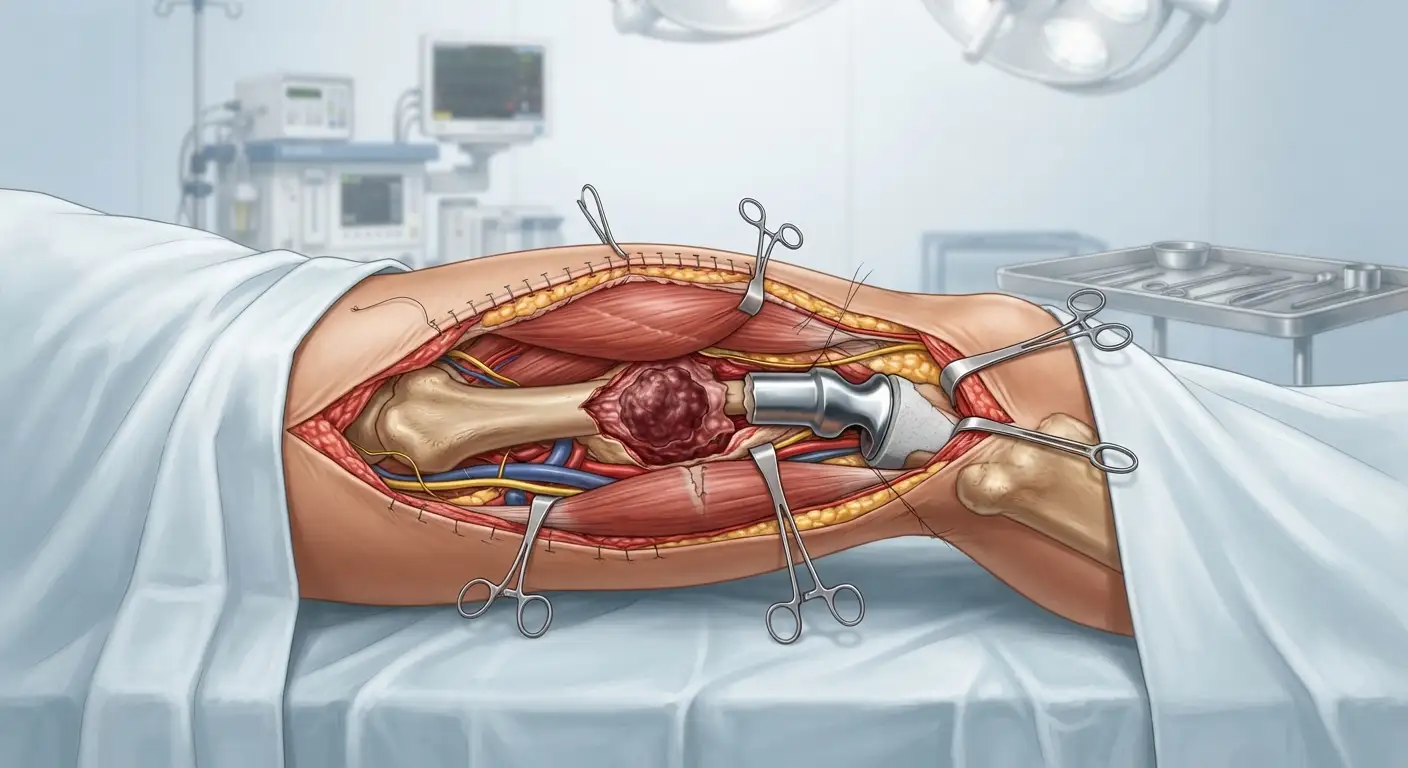
In many patients, limb-sparing surgery is possible.
NCI reports that improvements in tumor treatment and surgical reconstruction have made limb-sparing surgery possible for most patients with extremity osteosarcoma when adequate tumor margins can be achieved.
However, amputation remains appropriate in selected cases when safe complete tumor removal cannot otherwise be achieved.
Not necessarily.
The aim is to achieve appropriate oncologic margins while preserving the limb when this can be done safely and functionally.
NCI notes that survival can be similar between limb-sparing surgery and amputation in appropriately selected osteosarcoma patients.
Yes.
Depending on the location and amount of bone removed, reconstruction may use:
Endoprosthetic reconstruction
Bone grafts
Allografts
Specialized implants
Complex joint reconstruction
The reconstruction strategy is individualized.
No.
The need for chemotherapy depends on the tumor type and stage.
For example, chemotherapy is a major component of treatment for osteosarcoma and Ewing sarcoma, whereas other tumors may follow very different treatment pathways.
These cases can be particularly complex because the surgeon may need to remove the tumor while preserving as much useful joint and limb function as possible.
A pathologic fracture can change the complexity of the case.
The treatment plan must consider the tumor, fracture, surrounding tissues and overall staging.
For a suspected or confirmed musculoskeletal tumor, a specialist second opinion can be extremely valuable.
Particularly before:
Biopsy
Major tumor surgery
Amputation
Limb-sparing reconstruction
Complex metastatic bone surgery
For a suspected or confirmed musculoskeletal tumor, a specialist second opinion can be extremely valuable.
Particularly before:
Biopsy
Major tumor surgery
Amputation
Limb-sparing reconstruction
Complex metastatic bone surgery
Musculoskeletal tumors rarely fit into one specialty alone.
A complex case may require coordination among:
Orthopedic oncologist
Medical oncologist
Radiation oncologist
Pathologist
Radiologist
Reconstructive surgeon
Rehabilitation team
NCI specifically emphasizes multidisciplinary evaluation in Ewing sarcoma, involving surgical/orthopedic oncology, medical oncology, radiation oncology, radiology and pathology.
The best tumor treatment is often a team decision—not a one-doctor decision.
Before You Travel for Heart Treatment, Know Your Options
Being told that you need heart surgery can be frightening.
Before booking a flight or committing to a major procedure, make sure you understand:
What is my diagnosis?
Do I really need surgery?
Can a catheter-based procedure treat my condition?
Which option is appropriate for me?
What are the expected risks and recovery time?
Get Your Case Reviewed
If you or a family member has been advised to undergo heart or chest surgery, don’t make your decision based on the procedure name alone.
Send your medical reports and imaging for specialist assessment and find out what treatment options may be appropriate for your case.
Your heart deserves the right treatment—not simply the newest treatment.
If you have already been diagnosed with a bone or soft-tissue tumor, or have been told that a lesion may be suspicious, do not travel simply to have “the lump removed.”
Start with a specialist review.
Send:
MRI / CT / X-rays
Pathology or biopsy reports
Pathology slides or tissue blocks when requested
Previous surgical reports
Oncology treatment records
Current medications
This may allow the specialist team to determine whether additional imaging, pathology review, staging or multidisciplinary assessment is needed.
What Should You Do Next?
A suspicious tumor needs a diagnosis before it needs an operation.
The right sequence is:
Imaging
↓
Specialist assessment
↓
Planned biopsy when necessary
↓
Pathology confirmation
↓
Staging
↓
Multidisciplinary treatment plan
↓
Surgery / Systemic Treatment / Radiation / Reconstruction
This is particularly important when limb-sparing surgery may be an option, because the diagnostic and biopsy pathway can influence later surgical possibilities.
Discover specialized approaches to bone and soft-tissue tumor care, covering accurate diagnostics, limb-sparing surgical techniques, reconstruction options, and the critical role of expert second opinions.

+2011 10078666
+2011 10078666
info@shencure.com