
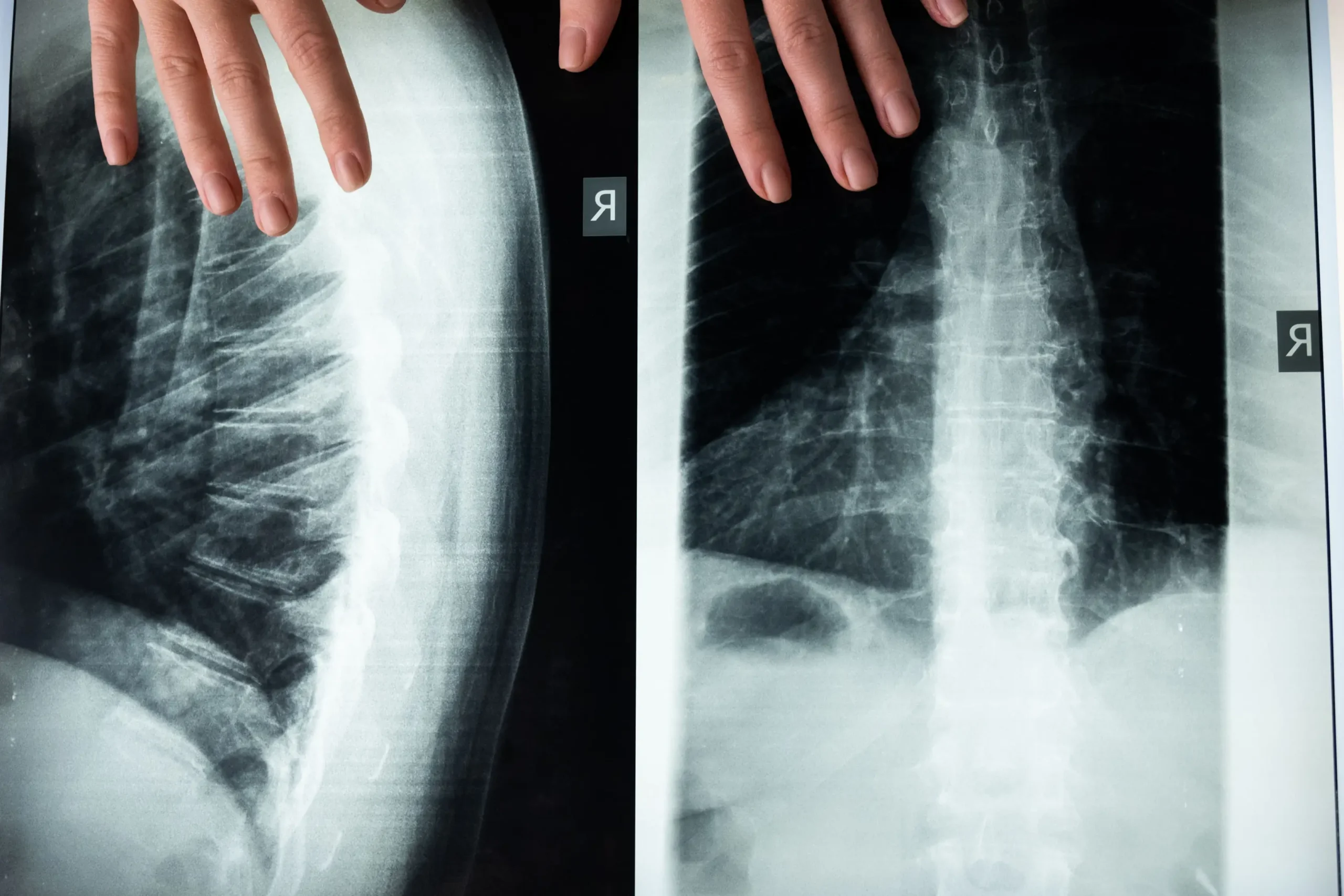



Osteoporosis in Egypt is a condition that requires careful diagnosis and long-term management to reduce the risk of fractures and maintain bone strength. Although osteoporosis can develop without obvious symptoms, weakened bones can become more vulnerable to fractures, particularly in the hip, spine, and wrist.
For international patients considering osteoporosis treatment in Egypt, understanding how the condition is diagnosed, which treatment options may be available, and what to expect from medical care can make the treatment journey easier to plan.
This guide explains osteoporosis, its risk factors, diagnosis, treatment options, prevention strategies, and important considerations for patients seeking specialized care in Egypt.
What Is Osteoporosis?
Osteoporosis is a bone disease characterized by reduced bone density and deterioration of bone structure, making bones weaker and more susceptible to fractures. The condition may progress silently for years because many people do not experience noticeable symptoms until a fracture occurs.
Osteoporosis can affect both women and men, although the risk generally increases with age. Women also face increased risk around and after menopause because of hormonal changes.
A fracture resulting from a relatively minor fall or impact can sometimes be the first indication that a person has reduced bone strength.
What Causes Osteoporosis?
Bone strength is influenced by age, genetics, hormones, nutrition, physical activity, medications, and underlying medical conditions.
Important risk factors can include:
- Increasing age
- Menopause
- Previous fractures
- Family history of fractures or osteoporosis
- Low body weight
- Physical inactivity
- Calcium or vitamin D deficiency
- Smoking
- Excessive alcohol consumption
- Certain medications, including long-term corticosteroid use
- Conditions that affect nutrient absorption or bone metabolism
WHO identifies factors such as low body weight, physical inactivity, poor nutrition, calcium and vitamin D deficiency, smoking, certain medications, and falls as important contributors to fragility-fracture risk.
Symptoms of Osteoporosis
One of the main challenges with osteoporosis is that it may not cause noticeable symptoms in its early stages.
Some patients only discover they have osteoporosis after experiencing a fracture.
Possible signs associated with advanced bone loss or vertebral fractures include:
- Back pain
- Loss of height
- A change in posture
- A stooped appearance
- Fractures after relatively minor falls or injuries
Because symptoms may be absent, identifying people at higher risk and performing appropriate bone-health assessment can be important.
How Is Osteoporosis Diagnosed?
An osteoporosis evaluation usually begins with a medical history and physical assessment. Your doctor may ask about previous fractures, family history, medications, menopause, lifestyle factors, and medical conditions that could affect bone health.
Bone Density Testing
A bone mineral density (BMD) test, commonly performed using dual-energy X-ray absorptiometry (DXA or DEXA), is an important tool for assessing bone density.
Depending on the patient’s situation, the medical team may also recommend laboratory tests or additional imaging to investigate possible secondary causes of bone loss.
Fracture-risk assessment can combine bone mineral density with clinical risk factors to estimate the patient’s likelihood of future fractures.
Osteoporosis Treatment in Egypt
Treatment is individualized according to factors such as bone density, age, fracture history, overall health, and estimated fracture risk.
A treatment plan may include several components.
Osteoporosis Medications
Depending on the patient’s risk profile, doctors may prescribe medications designed to slow bone loss, improve bone strength, or reduce the risk of fractures.
Medication options can include different classes of osteoporosis treatments, such as bisphosphonates and other antiresorptive or bone-building therapies.
The appropriate medication, dose, duration, and monitoring schedule should always be determined by a qualified physician.
Medication is generally only one part of osteoporosis management. Adequate nutrition, appropriate physical activity, fall prevention, and management of underlying conditions can also be important.
Calcium and Vitamin D
Adequate calcium and vitamin D support normal bone health and are commonly considered as part of osteoporosis management.
Whether a patient needs supplementation depends on dietary intake, blood levels, age, medical history, and the treatment plan. Patients should not take high-dose supplements without medical guidance.
The Bone Health & Osteoporosis Foundation recommends obtaining calcium primarily from food when possible and discussing individual calcium and vitamin D requirements with a healthcare professional.
Exercise and Physical Activity
Regular, appropriately selected physical activity can support bone health, muscle strength, balance, and mobility.
Depending on the patient’s condition, a healthcare professional may recommend weight-bearing exercise, muscle-strengthening activities, balance training, or physiotherapy.
Patients with severe osteoporosis or previous fractures should receive professional guidance before beginning a new exercise program.
Fall Prevention
Preventing falls is particularly important for people with osteoporosis because a fall can result in a serious fracture.
Fall-prevention strategies may include:
- Improving balance and muscle strength
- Reviewing medications that may increase fall risk
- Addressing vision problems
- Making the home environment safer
- Using appropriate walking or assistive devices when needed
WHO emphasizes fall prevention, physical activity, nutrition, and treatment of osteoporosis as important strategies for reducing fragility-fracture risk.
Osteoporosis and Fragility Fractures
A major concern associated with osteoporosis is the development of fragility fractures.
These fractures may occur after relatively low-impact events that would not normally cause a fracture in healthy bone.
Common locations include:
- Hip
- Spine
- Wrist
- Other weight-bearing bones
Fragility fractures can significantly affect mobility and independence, particularly in older adults. Early assessment and appropriate treatment can help reduce the risk of additional fractures.
Osteoporosis After a Fracture
A fracture may be the first opportunity to identify previously undiagnosed osteoporosis.
After a fragility fracture, doctors may evaluate bone density, investigate underlying risk factors, and develop a treatment plan to reduce the risk of another fracture.
Rehabilitation can also play an important role in restoring mobility and function after a fracture. WHO highlights timely rehabilitation and secondary fracture prevention as important components of care.
Osteoporosis Treatment in Egypt for International Patients
International patients seeking osteoporosis treatment in Egypt may begin their medical journey before traveling.
A remote case review can help the medical team understand the patient’s history and determine which records may be needed for further evaluation.
Patients may be asked to provide:
- Previous DXA or DEXA results
- Recent blood test results
- Previous fracture reports
- X-rays or other imaging
- Current medications
- Previous osteoporosis treatments
- Relevant medical history
Providing recent medical records can help the treating physician understand the patient’s condition before an in-person consultation.
What Specialists Treat Osteoporosis?
Osteoporosis may involve several areas of medical care depending on the patient’s condition.
Potential specialists can include:
- Endocrinologists
- Rheumatologists
- Orthopedic specialists
- Internal medicine physicians
- Geriatric specialists
- Physiotherapists and rehabilitation professionals
The appropriate specialist depends on the cause and severity of bone loss, whether fractures have occurred, and any underlying medical conditions.
For patients with complex cases, coordinated care between different specialties may be appropriate.
How Much Does Osteoporosis Treatment Cost in Egypt?
The cost of osteoporosis treatment in Egypt varies depending on the patient’s condition and the type of care required.
There is no single price for osteoporosis treatment because management may involve:
- Specialist consultation
- DXA/DEXA bone-density testing
- Blood tests
- Diagnostic imaging
- Prescription medications
- Follow-up consultations
- Fracture treatment or orthopedic surgery when required
- Physiotherapy or rehabilitation
For international patients, the total cost can also depend on how many visits are required and whether additional treatment is needed.
Rather than relying on a generic online price, patients should request an individualized medical assessment and treatment estimate.
Why Consider Egypt for Osteoporosis Care?
Egypt provides access to a broad healthcare sector with specialists across internal medicine, endocrinology, rheumatology, orthopedics, and rehabilitation.
For international patients, another important consideration is the ability to coordinate multiple parts of the treatment journey through one organized pathway.
Depending on the case, this may include:
Medical assessment → Diagnostic testing → Specialist consultation → Treatment planning → Follow-up care
The most important factor should always be the suitability and quality of medical care rather than choosing a destination based solely on price.
Preparing for Osteoporosis Treatment in Egypt
If you are traveling to Egypt for osteoporosis evaluation or treatment, preparing your medical information before arrival can make the process more efficient.
Consider bringing or sending:
Previous bone-density scans
Include the date of each DXA or DEXA examination when available.
Medical reports
Provide reports related to previous fractures, osteoporosis, or conditions that may affect bone health.
Medication history
Include current medications, previous osteoporosis medications, supplements, and relevant long-term treatments.
Laboratory results
Recent blood tests may help doctors evaluate factors related to bone health.
Imaging
Bring relevant X-rays, CT scans, or MRI reports if you have experienced fractures or other musculoskeletal problems.
Your medical team can then determine whether additional tests are required after arrival.
Can Osteoporosis Be Prevented?
Not every case of osteoporosis can be prevented because some risk factors—such as age, genetics, and menopause—cannot be changed.
However, several lifestyle factors can support bone health and reduce fracture risk.
These include:
- Maintaining an appropriate level of physical activity
- Eating a balanced diet
- Getting adequate calcium and vitamin D
- Avoiding smoking
- Limiting excessive alcohol consumption
- Maintaining muscle strength and balance
- Addressing fall hazards
- Following medical treatment when osteoporosis has been diagnosed
WHO recommends strategies including healthy nutrition, regular physical activity, smoking cessation, treatment of osteoporosis, and fall prevention to help reduce fragility-fracture risk.
When Should You See a Doctor?
Consider discussing your bone health with a healthcare professional if you:
- Have experienced a fracture after a minor fall
- Have a history of osteoporosis
- Have significant risk factors for bone loss
- Have experienced substantial height loss
- Have long-term corticosteroid treatment
- Have reached an age or life stage associated with increased osteoporosis risk
- Have a family history of osteoporosis or fragility fractures
Early assessment can help identify reduced bone density before a serious fracture occurs.